How to Become a Bridal Makeup Artist
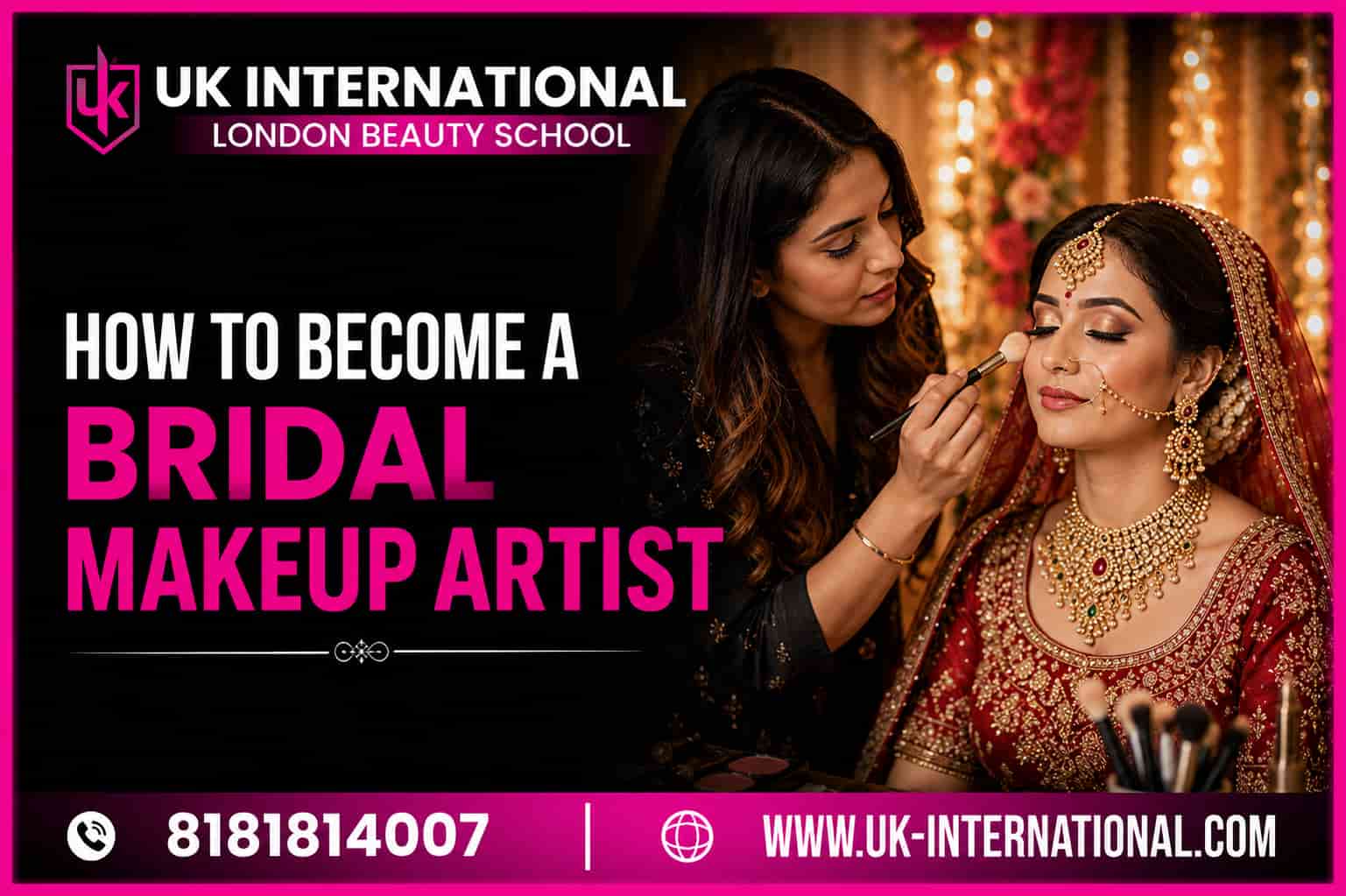
The one constant for almost every bride: the wish to look their absolute best for their special day and, as a bridal makeup artist, this is where you fit in. It's a truly satisfying-and hugely in-demand-profession within the beauty sector because no two weddings are alike. You may be applying a natural soft look for an intimate ceremony in the morning; by the afternoon, you could be creating full HD glam for 500 guests in a room flooded with bright lights and flashing cameras.
If you have always wondered about how to enter the bridal makeup arena - how and where to begin, what to know, what to invest in, and whether it will really bring you the rewards that you hope for-then this guide has the answers, all the way through.
What Does a Bridal Makeup Artist Actually Do?
It's easy to assume the job is just "doing makeup," but bridal artists wear a lot of hats on wedding day. A typical bridal makeup artist is responsible for:
- Running a pre-wedding consultation to understand the bride's vision
- Matching the makeup to her outfit, jewelry, and overall wedding theme
- Prepping the skin properly so the base lasts all day
- Creating a look that photographs beautifully-not just looks good in person
- Managing a tight timeline on the actual wedding morning, often with family members waiting
- Keeping tools and products hygienic and sanitized between clients
Most bridal artists don't stop at the wedding day itself-many also handle engagement functions, receptions, pre-wedding shoots, and touch-ups for the bride's family and bridal party.
Steps to Become a Bridal Makeup Artist
Step 1: Master the Basics First!
Before you even think about venturing into the world of bridal makeup, you must be a confident with the basic elements of makeup. The basic elements of makeup will cover:
- skin preparation/priming
- colour theory and how it works for various skin tones
- face shapes and contouring
- foundation matching ( this is something a lot of beginners get wrong!)
- eye makeup techniques
- lip shaping
- appropriate products for various skin types
- sanitation practices that will prevent yourself or your clients from getting sick
This is the information that does not require any specific focus towards bridal application yet and serves as the building blocks for you. You will not achieve any dramatic looks without mastering this.
Step 2: Enroll in a Professional Makeup Course
You can absolutely pick up bits and pieces from YouTube tutorials - plenty of artists start that way. But there's a real difference between watching someone do a smoky eye online and having a trainer correct your blending technique in real time, on a real face, under real lighting.
A solid bridal makeup program should cover:
- HD and airbrush makeup
- Bridal, party, engagement, and reception looks
- Product knowledge (what to use, and just as importantly, what not to use)
- Client consultation skills
- Portfolio building
- Professional hygiene standards
Step 3: Practice on Every Skin Tone and Face Shape You Can Find
Here's something nobody tells beginners enough: the bride sitting in your chair on any given Saturday could have oily skin, dry skin, combination skin, a warm undertone, a cool undertone, deep-set eyes, or a completely different face shape than the last three brides you worked with. There's no "standard" bride.The only way to get comfortable with that variety is to practice on real variety - friends, family, volunteer models, whoever will sit still for you. The more different faces you work on before you're doing it professionally, the less you'll feel caught off guard when a real client shows up with something you haven't tried before.
Step 4: Build a Portfolio That Actually Sells Your Work
Before a bride books you, she's going to scroll through your Instagram or website first. Your portfolio is doing the selling before you ever say a word to her.
Make sure it includes:
- Traditional bridal looks
- Modern/contemporary bridal makeup
- Soft glam
- HD makeup
- Airbrush work
- Before-and-after shots, if you can show the transformation clearly
Step 5: Get Real Experience, Not Just Practice
Practice teaches you technique. Experience teaches you everything else — how to stay calm when the bride's mother is hovering, how to work fast when the muhurat time is non-negotiable, how to fix a smudge without starting over.
You can build this experience by:
- Assisting a senior bridal artist at real weddings
- Working with a beauty studio or salon
- Joining fashion shoots, even unpaid ones early on
- Taking on freelance bookings as you gain confidence
Every wedding you work-even as an assistant-teaches you something a course can't.
Step 6: Get Genuinely Good at Client Consultations
Bridal makeup isn't really a makeup job first-it's a people job that happens to involve makeup. A good consultation before the wedding day saves you from surprises on the day itself. You'll want to understand:
- What style she actually wants (not what you assume she wants)
- The wedding theme and color palette
- Her outfit and jewelry, so the makeup complements rather than competes
- Any skin concerns or known allergies
- Whether she's picturing matte, dewy, natural, or full glam
Getting this conversation right upfront is often the difference between a happy client and a stressful wedding morning.
Step 7: Keep Learning-Bridal Trends Move Fast
What was popular two wedding seasons ago isn't necessarily what brides are asking for now. Right now, that includes things like:
- Soft glam looks
- "Glass skin" finishes
- Airbrush bridal makeup
- Natural, minimal-makeup brides
- Korean-inspired bridal styles
- Waterproof, long-wear formulas built for Indian wedding schedules
Step 8: Learn the Business Side Too
Eventually, a lot of bridal makeup artists go freelance or open their own studio and at that point, talent alone isn't enough. You'll also need to think about:
- How you price your services
- Managing bookings, especially during peak wedding season when everyone wants the same dates
- Building a presence on Instagram or a simple website
- Collecting and showcasing client reviews
- Putting together bridal packages (makeup + hair, touch-up kits, family packages, etc.)
- Basic photography, so your own portfolio looks as good as your client's wedding photos
Word of mouth is powerful in this industry a happy bride tells her cousins, her college friends, and her wedding planner. That referral chain is often worth more than any ad spend.
Where Can This Career Take You?
Once you're trained and confident, there's more than one direction to take it:
- Freelance bridal makeup artist
- Salon-based makeup artist
- Bridal studio specialist
- Destination wedding makeup artist
- Celebrity or editorial makeup artist
- Beauty trainer or educator
- Makeup studio owner
Plenty of artists start in a salon to build experience and steady income, then transition into freelance or destination wedding work once their portfolio and reputation can carry them.
What Skills Actually Set Great Bridal Artists Apart
Technical skill gets you in the door, but the artists who build long careers usually have a few other things going for them:
- Genuine creativity- every bride's face and vision is different
- An eye for detail (the kind that notices a slightly uneven brow before the bride does)
- Patience, especially on long, high-pressure wedding mornings
- Clear, warm communication
- Time management under real pressure
- A professional, calm presence
- Serious attention to hygiene
- The ability to read a room and handle nervous brides, opinionated mothers, and tight schedules all at once
These are the things that turn a one-time booking into a referral machine.
Is Professional Training Really Necessary?
Some artists are self-taught, and a few make it work. But professional training gives you a real head start:
- Structured learning instead of trial and error
- Mentorship from people who've actually worked weddings
- Practical, hands-on assignments
- Real industry exposure
- Help building your first portfolio
- Deeper product knowledge
- A certification that adds credibility with clients
- Placement support to help you land your first real opportunities
Final Thoughts
Becoming a bridal makeup artist isn't a weekend decision - it takes real dedication, a lot of practice, and training that actually prepares you for wedding-day chaos, not just a calm studio setting. But the path is clear: learn the fundamentals, train properly, practice on real variety, build a portfolio you're proud of, and get out there and gain real experience.
As India's wedding and beauty industry keeps growing, skilled bridal makeup artists are increasingly in demand - across salons, bridal studios, fashion shoots, and the freelance market. Investing in solid training from a reputed academy like UK International Beauty School gives you the practical skills, hands-on confidence, and industry exposure to start that career on solid footing, whether your goal is working with high-end bridal clients or eventually running your own studio.
Frequently Asked Questions (FAQs)
A professional bridal makeup course typically takes 4–6 months to complete, depending on the curriculum and training schedule. After completing the course, most aspiring makeup artists spend an additional 2-6 months building their portfolio, practicing on clients, and gaining hands-on experience before confidently taking on paid bridal assignments independently.
It's not legally required, but a certification from a recognized academy adds real credibility with clients and sharpens your actual technique-both of which matter a lot in a field that runs heavily on trust and referrals.
Technical makeup skills and color theory knowledge are the baseline. Beyond that, hygiene practices, communication, creativity, time management, and the ability to stay composed under wedding-morning pressure matter just as much.
Yes. most successful bridal artists started exactly there. The path is enrolling in a professional course, practicing consistently, assisting more experienced artists, and gradually building a portfolio you can show clients.
Yes. Between the size of the wedding industry, the rise of destination weddings, and growing demand for professional (not DIY) bridal looks, there's real room to build a stable and even lucrative career here.
Look past the marketing and check for practical, hands-on training, instructors with real industry experience, up-to-date bridal techniques, portfolio support, proper certification, and placement assistance. Those are the things that actually prepare you for real bookings.
.webp)
.webp)
.webp)