Frequently Asked Questions (FAQs)
A comprehensive hairdressing course that covers haircutting, hairstyling, colouring, chemical treatments, hair care, and client consultation is a strong choice for learning professional hairdressing. The International Hair Mastery Program covers these areas from foundational to advanced levels with practical training and live workshops.
Hairdressing requires haircutting, styling, colouring, chemical treatment, hair care, and client consultation skills. A professional hairdressing course can also help you develop tool-handling, communication, creativity, hygiene, salon etiquette, and portfolio-building skills needed to work confidently with salon clients.
You can learn professional hairdressing through structured training that combines theory with hands-on practice. Start with hair and scalp basics, then learn haircutting, styling, colouring, chemical treatments, bridal hairstyles, client consultation, and salon practices. Regular practical practice is essential for developing professional skills.
The qualifications required to work as a hairdresser can vary by employer and local requirements. Many training programs allow beginners to start without previous hairdressing experience. Professional training helps develop practical skills in cutting, styling, colouring, treatments, hygiene, and client consultation.
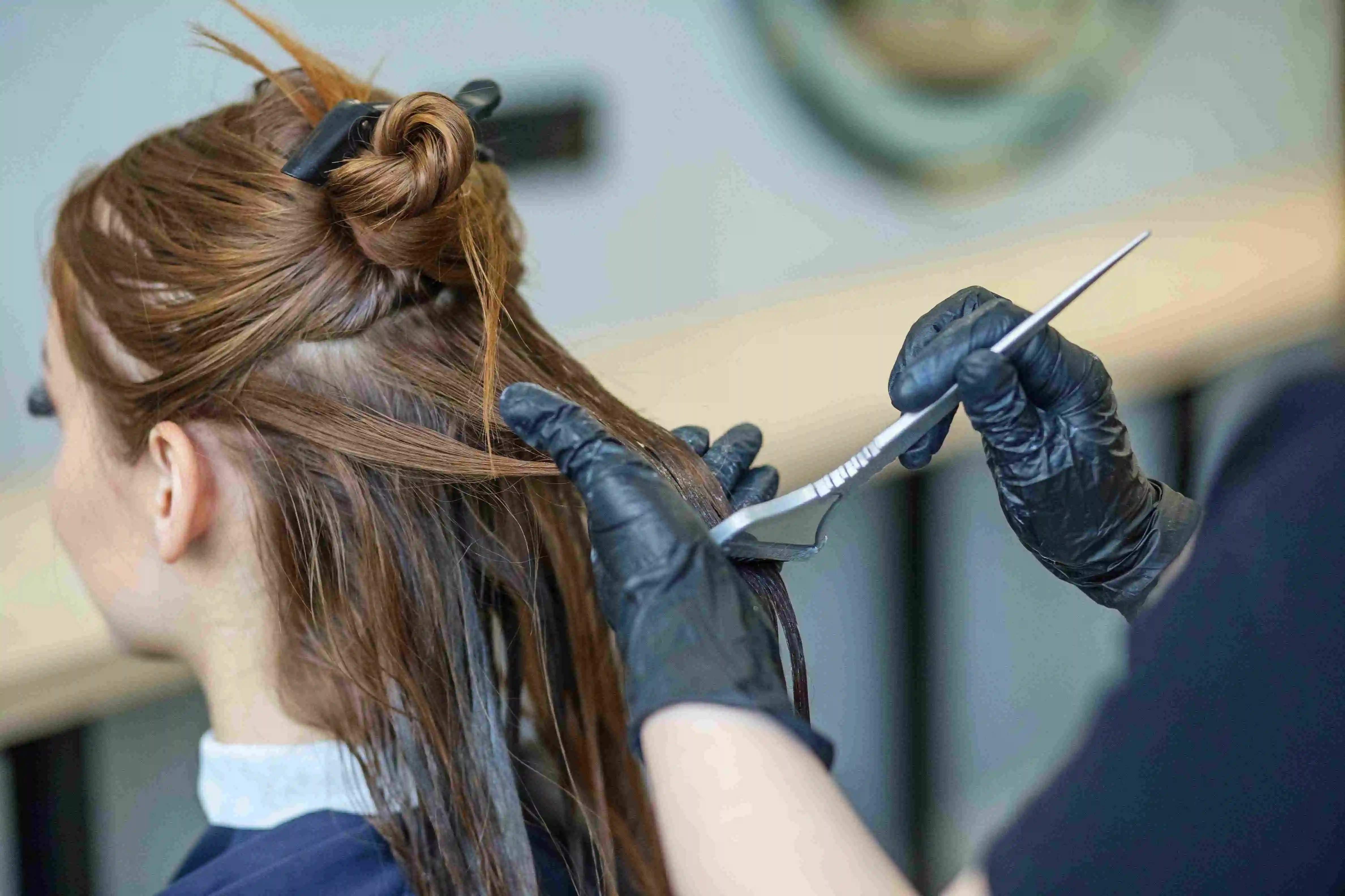
Yes, professional hairdressing courses can include hair colour theory, global colouring, highlights, and fashion colours. Learning colour theory and application techniques helps students understand how to select and apply colours while developing practical skills for professional salon services.
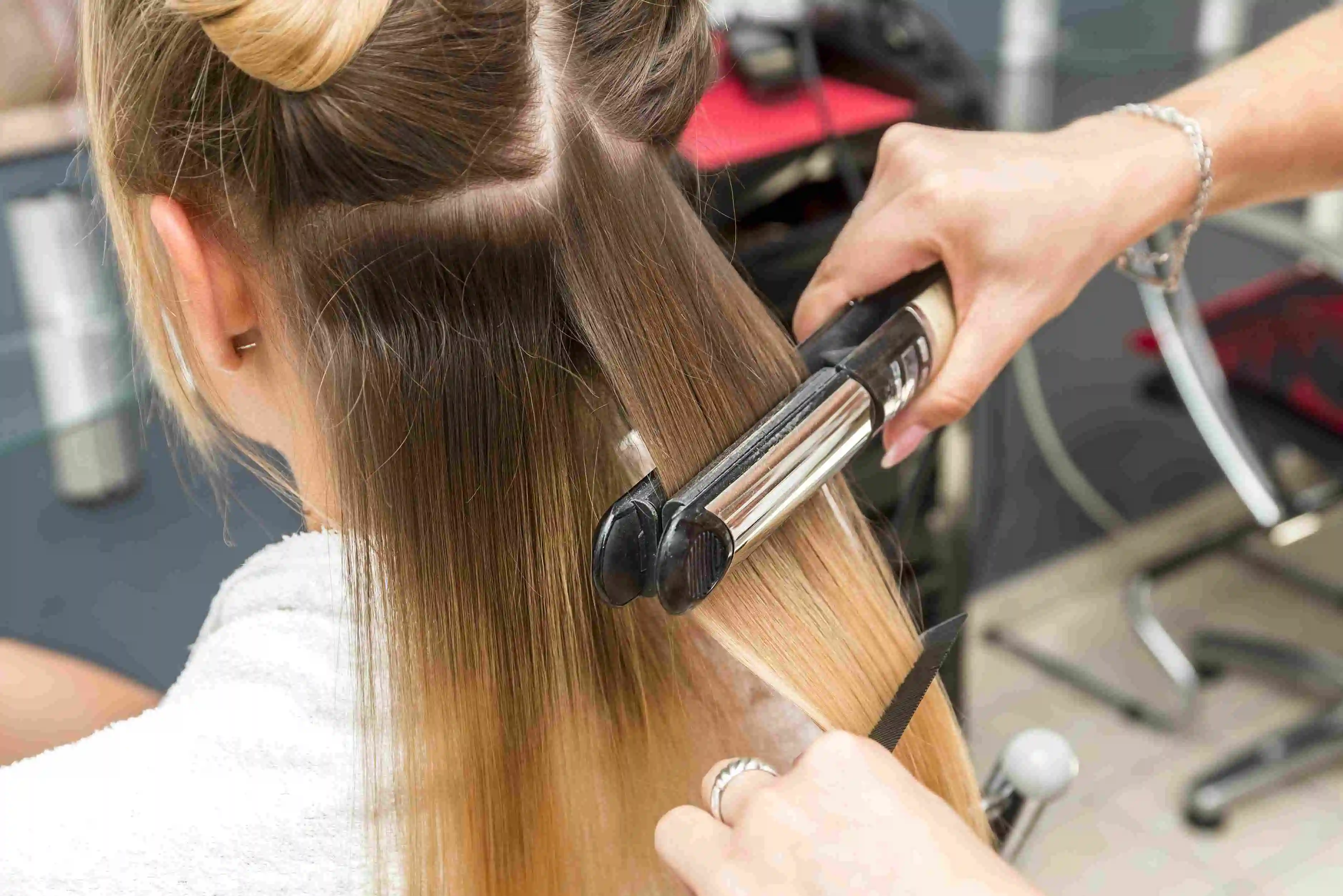
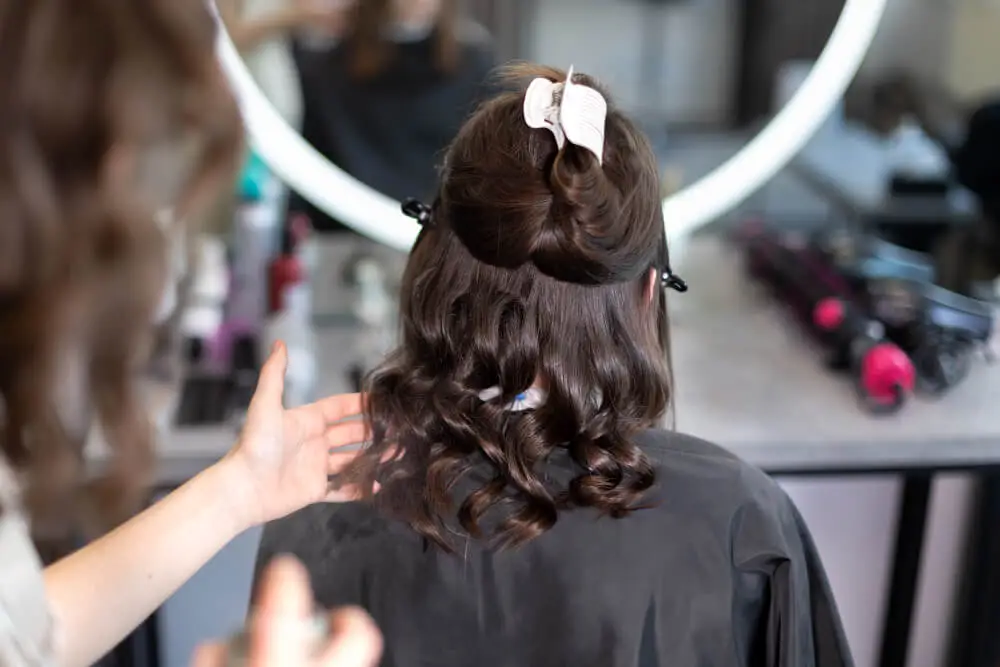
Yes, a comprehensive hairdressing course can teach both hair cutting and hairstyling. Students can learn basic-to-advanced haircuts along with blow-drying, heat styling, curls, waves, and finishing techniques, giving them a broader skill set for professional salon work.





.webp)
.webp)
.webp)