Makeup Artist vs Beautician: What's the Real Difference?
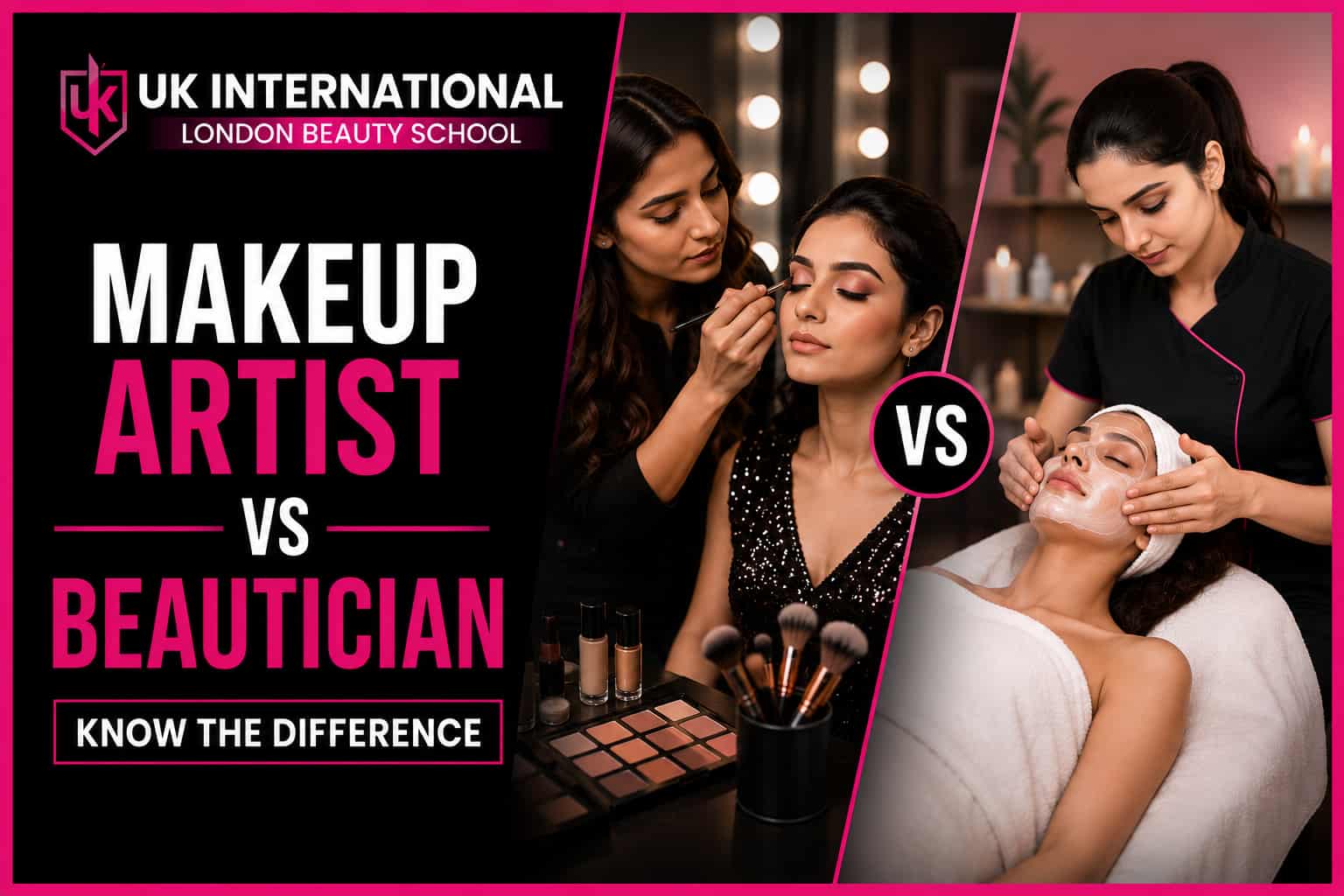
Considering a career in the beauty industry? If so, chances are you’ve come across a few of the most popular job options: Makeup artist and Beautician. Many people refer to both terms interchangeably when in fact, these jobs have quite different roles and responsibilities.
What really separates a makeup artist from a beautician, and what are the options for each career? It really boils down to your interests, the results you want to achieve for your clients, and what type of beauty services you want to provide. This article breaks it down in simple language, comparing careers and course options to get you on the right track for your dream job.
The Short Answer
A makeup artist focuses specifically on the art of applying makeup to enhance a person’s appearance for events, weddings, photoshoots, film, television, or fashion shows. A beautician offers broader services within the beauty field including skincare, facials, waxing, threading, manicures, pedicures, hair treatment, and may offer simple makeup application. For makeup enthusiasts, a makeup artist course might be the answer. To assist and cater to clients with all-around beauty needs, a beautician course could be a better path.
What Is A Makeup Artist?
In simple terms, they specialize in applying cosmetic products to define facial features in accordance with what the clients require. While it's important to have creativity, attention to detail is very crucial along with knowledge of facial anatomy. Makeup artists offer the following specialization:
- Bridal makeup
- HD and Airbrush makeup
- Party makeup
- Fashion and editorial makeup
- Celebrity makeup
- Photoshoot makeup
- Film and television makeup
- Special effects (SFX) makeup
What Does a Beautician do?
A Beautician offers a wider scope of beauty & personal grooming care to the clients to enhance their physical appearance and overall wellbeing. Some of the beautician services offered are:-
- Skin care-Facials, skin care treatment.
- Hair Care-Hair spas, basic hairstyling.
- Waxing and Threading.
- Manicures & pedicures.
- Basic makeup.
- Grooming service.
Majority of beauticians work in salons, spas,wellness centers and some beauty parlors run their private parlor too.
Makeup Artist vs Beautician: Key Differences
| Feature | Makeup Artist | Beautician |
| Primary Focus | Makeup application | Complete beauty and grooming services |
| Main Skills | Makeup techniques, color theory, face analysis | Skincare, hair care, beauty treatments |
| Typical Clients | Brides, models, celebrities, event clients | Regular salon and beauty clients |
| Workplaces | Bridal studios, fashion industry, film sets, freelance | Salons, spas, beauty clinics, self-owned salons |
| Creative Work | High | Moderate to High |
| Service Range | Specialized | Broad |
Which Career Has Better Opportunities?
They both have great experiences, but they do similar but different.
Choose Makeup Artistry if You Want To:
- Working as a bridal makeup artist
- Build a freelance business
- Work in fashion or entertainment
- Collaborate with photographers and designers
- Make content as a beauty influencer
- Specialize in luxury makeup services
Choose Beautician Training if You Want To:
- Work in a professional salon
- Offer skincare and grooming services
- Open your own beauty salon
- Establish s and strengthen relationships with existing customers for repeat business
- Learn multiple beauty treatments
Many of a beautician's treatments-think facials, waxing and skin care-need to be repeated regularly so clients return time and again.
Can You Become Both?
Yes! Many talented beauty professionals train as a beautician and then follow it up with professional makeup courses and some people train first in makeup, and then do beauty courses in treatments like skincare or hair and nails later.
When you know both there are endless opportunities for you and the great thing is when you know the skills to do both treatments, clients love this as you can service a variety of their beauty needs, so more people will come to you to get treatments done which boosts your earning potential.
Which Course Should You Choose?
A Makeup Artist Course is ideal if you:- Love creativity and makeup trends
- Keen to learn bridal and fashion makeup
- Enjoy transforming different looks
- Plan to be a freelance make-up artist.
- Enjoy skincare and beauty treatments
- Interested in working in a salon or spa
- Prefer offering multiple beauty services
- How to begin your own beauty company
If you still have doubts, talk to a career counselor or go to a beauty academy to see the topics before you decide.
Skills You'll Learn During Professional Training
On the professional training course in either Makeup Artistry or Beautician, you will gain the practical hands on experience that both employees and clients want! The curriculum for each course can cover the following, depending on how many units you opt to study:- Product knowledge
- Client consultations
- Hygiene and sanitation
- Skin analysis
- The principle of color
- Practical application skills
- Trends within the industry
- Communication and professionalism
- Portfolio building
- Business basics for freelancing
It is often considered that the hands on practice element is a very important part of any beauty training course as this will gain you all the confidence when you actually start working with clients on a live basis.
Why UK International Beauty School
The choice of an academy is as important as that of the course.
For practical, industry-led training that prepares students for the beauty industry workforce, UK International Beauty School is a leading choice. The academy offers comprehensive courses in professional makeup artistry and beautician training, integrating class room education with substantial hands-on practice.
The school teaches through highly qualified and experienced trainers, where students use the highest quality professional products and gain real life practice on real models, creating extensive portfolios as they go along. The course structure is up to date with beauty trends and industry standards to ensure graduates will be competitive in the job market today, whilst also offering assistance to students with finding employment by providing a careers service, support with portfolios and placement advice.
Frequently Asked Questions (FAQs)
No. A makeup artist specializes in makeup application, while a beautician provides a wider range of beauty services such as skincare, hair care, waxing, and grooming.
Both courses are beginner-friendly. The best choice depends on your interests. If you're passionate about makeup, choose a makeup artist course. If you want to learn multiple beauty services, a beautician course is a better fit.
Yes. Many beauticians take advanced makeup courses to expand their skills and offer specialized makeup services.
Both careers have strong earning potential. Income depends on your skills, experience, location, specialization, and client base. Freelance bridal makeup artists and experienced beauty professionals often have opportunities to increase their earnings over time.
While certification may not always be mandatory, completing a professional course builds technical skills, boosts credibility, and improves your chances of finding work or attracting clients.
.webp)
.webp)
.webp)