Course Overview
Step into the advanced world of beauty with our Semi Permanent Makeup Course, designed for those who want to master modern cosmetic techniques and build a high-income career.
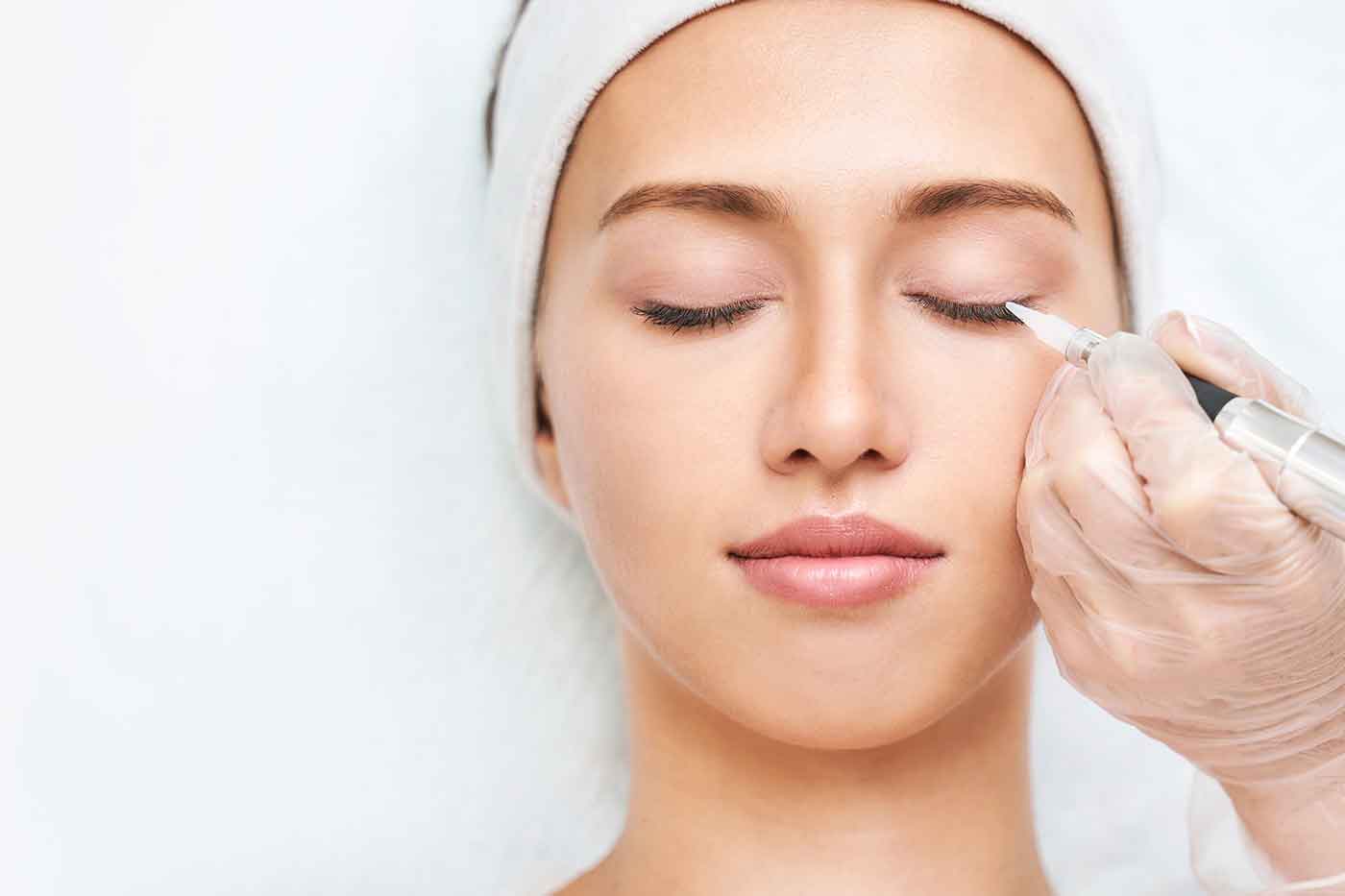
This course focuses on in-demand treatments like microblading, lip tinting, and skin treatments that offer long-lasting results. Under expert guidance, you will learn both theory and practical skills required to perform these services professionally. This makeup course also helps you understand advanced cosmetic techniques and develop the skills needed to work confidently with clients.
At UKIBS, we combine international standards, advanced tools, and hands-on practice to make you industry-ready. You will gain real experience through live demos and practical sessions that help you build confidence.
With growing demand in salons, clinics, and freelance work, semi permanent makeup is one of the most profitable skills in today’s beauty industry.
.webp)
.webp)
.webp)